
Learn Forex

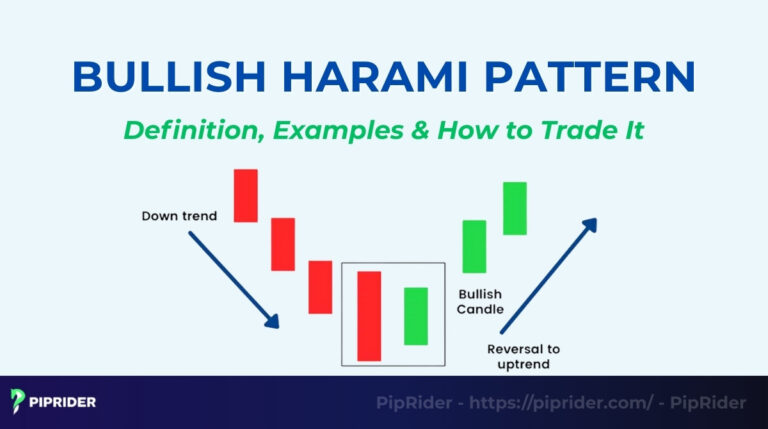
Bullish Harami Pattern: Definition, Examples & How to Trade It

March 3, 2026

Bullish Harami Pattern: Definition, Examples & How to Trade It

The Bullish Harami Pattern is a reliable reversal signal when found in a downtrend at key support levels. This formation on a candlestick chart shows...

Latest article

How to Use AI to Trade: The "Secret Edge" for Market Profits

March 20, 2026

How To Use AI To Trade: The Algorithmic Edge In 2026

Learning how to use AI to trade involves using machine learning, automated bots, and big data to analyze the market. This technology helps you speed up your analysis, remove emotions from your decisions, and find opportunities that the human eye might miss. This guide explains the practical ways to use AI, from backtesting and scanning...
How to Identify Liquidity in Trading: A Smart Money Guide

March 20, 2026

How to Identify Liquidity in Trading: A Smart Money Guide

If you want to identify liquidity in trading, start by finding the obvious price levels where traders cluster stop-losses and breakout orders. These zones—found above old highs, below old lows, and around key daily or weekly reference levels, act as magnets for price. Understanding how to spot these ‘liquidity pools’ is the difference between trading...


How to Trade Binary Successfully: Stop Losing Money Now

March 19, 2026

How to Trade Binary Options More Safely: Strategy, Risk Rules, and Legal Warnings

Learning how to trade binary options safely means shifting from gambling to trading with a structured plan. Success in this high-risk market is not about a “secret system”; it is about understanding the mathematical disadvantage, using specific entry/expiry logic, and adhering to strict legal and risk management rules to survive the “all-or-nothing” structure. This guide...


How to Trade Earnings: Strategies for Trading Volatility

February 2, 2026

How To Trade Earnings: Strategies For Gap & Go Setups

Learning how to trade earnings is a high-risk, high-reward skill focused on capturing the extreme volatility that occurs around a company’s quarterly financial report. Traders aren’t just looking at the profit (EPS) or revenue; they are betting on the market’s reaction to this news. This guide details the specific strategies for trading before and after...


How to Calculate Stop Loss: 3 Proven Methods for Traders

February 2, 2026

How To Calculate Stop Loss: 3 Precise Scientific Methods

To calculate stop-loss (SL), traders use three key methods: the Percentage Risk Method, the Technical Method, or the Volatility Method. Learning how to calculate stop loss is the single most important skill for managing risk. This guide by Piprider.com is a complete, step-by-step answer to that question, moving from simple formulas to the advanced tools...


How to Trade NAS100 (Nasdaq 100): Complete Beginner’s Guide

February 2, 2026

How To Trade NAS100: Mastering Tech Index Volatility

The Nasdaq 100 (often called NAS100) is one of the most exciting and popular indexes for traders. It is packed with the world’s biggest technology companies, like Apple, Microsoft, and NVIDIA, which makes it very volatile. This high volatility creates many opportunities but also significant risk. This guide is designed for beginners. It will answer...


Klinger Oscillator: A Trader's Guide to Volume Signals

February 2, 2026

Klinger Oscillator Guide: Volume-Based Trend Prediction

Many traders are familiar with momentum oscillators like the MACD. However, the MACD only looks at price. The Klinger Oscillator is a more advanced technical indicator because it combines both price and volume into one signal. This oscillator is designed to measure the long-term trend of money flow. It helps traders assess if volume participation...


Start learning Forex for beginners

Begin your trading journey with a solid foundation. Learn what Forex is,
important concepts, and avoid common mistakes.

Level 1: Beginner

For those who need to know what Forex is and the basics.

1

2

Level 2: Intermediate

For those who need to know how to trade and apply simple analysis.

Level 3: Advanced

For those who need to know why strategies work and how to improve them.

3

4

Level 4: Expert

For those who need to know how to build systems and optimize long-term.